Introduction
When selecting cotton fabrics for crafts, décor, or sustainable product lines, two materials often come up: osnaburg and muslin. While both are cotton-based textiles, their weave structure, texture, and performance differ significantly.
Businesses sourcing osnaburg cotton fabric wholesale often compare it with muslin to determine which best suits their project requirements. This guide explores their differences and highlights why cotton dyed osnaburg stands out for textured applications.
What Is Osnaburg Fabric?
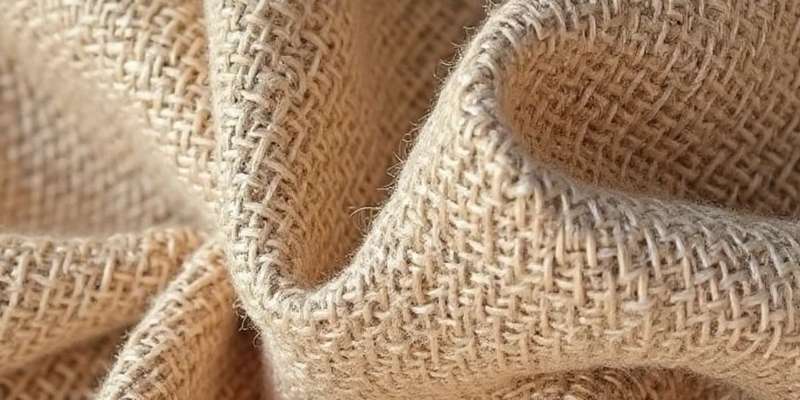
Osnaburg is a coarse weave cotton fabric known for its visible yarn texture and rustic appearance. Traditionally used as a utility cloth, it is now popular in décor, crafts, and sustainable product manufacturing.
A reliable dyed osnaburg fabric supplier ensures consistent weave density and uniform color finishing for bulk buyers.
What Is Muslin Fabric?
Muslin is a lightweight cotton fabric with a plain weave and smoother surface. It is commonly used for:
• Garment prototypes
• Lightweight curtains
• Backdrops
• Pattern making
• Basic craft projects
Compared to osnaburg, muslin offers a finer, more uniform texture.
1. Texture Comparison
Osnaburg:
• Visible coarse weave
• Rustic surface character
• Slightly uneven yarn appearance
• Natural textured finish
Muslin:
• Smooth surface
• Fine weave structure
• Soft and lightweight feel
• Minimal visible texture
For projects requiring a natural textured cotton fabric, osnaburg provides stronger visual depth.
2. Durability & Strength
The coarse weave cotton fabric structure of osnaburg generally offers:
• Higher tensile strength
• Better seam support
• Increased resistance to tearing
• Longer lifespan
Muslin, while flexible and lightweight, may not provide the same durability for heavy-use applications.
For bulk manufacturing, sourcing rustic cotton fabric for crafts bulk ensures stronger long-term performance.
3. Aesthetic Appeal
Osnaburg delivers a rustic, farmhouse-inspired look, making it ideal for:
• Table runners
• Cushion covers
• Decorative panels
• Event styling
Retailers sourcing osnaburg fabric for home decor wholesale often prefer its textured aesthetic.
Muslin, by contrast, offers a cleaner and more minimal appearance suitable for lightweight draping.
4. Dye Absorption & Finish
Both fabrics absorb dye well due to their cotton composition.
However, working with a trusted dyed osnaburg fabric supplier ensures:
• Even color penetration
• Long-lasting shade consistency
• Enhanced texture visibility after dyeing
Muslin typically produces a flatter color appearance due to its smoother surface.
5. Sustainability Considerations
Both osnaburg and muslin qualify as eco friendly cotton fabric material when produced using natural fibers.
Osnaburg, however, may offer added sustainability benefits due to:
• Longer product lifespan
• Reduced replacement frequency
• Stronger weave durability
Partnering with a reliable sustainable cotton osnaburg supplier supports eco-conscious production goals.
6. Craft & DIY Applications
Osnaburg Works Best For:
• Embroidery
• Rustic décor crafts
• Screen printing
• Reusable gift wrapping
• Handmade bags
Businesses purchasing craft cotton fabric wholesale often choose osnaburg for textured projects.
Muslin Works Best For:
• Prototyping garments
• Lightweight curtains
• Basic painting practice
• Temporary décor backdrops
7. Cost & Wholesale Sourcing
When purchasing in bulk, osnaburg cotton fabric wholesale provides:
• Competitive pricing
• Consistent GSM control
• Durable weave structure
• Reliable supply chain
Similarly, textured cotton cloth wholesale options ensure scalability for growing craft or décor businesses.
8. Breathability & Handling
Both fabrics are breathable due to their cotton composition.
Osnaburg offers:
• Structured drape
• Slightly firmer hand feel
• Strong seam compatibility
Muslin provides:
• Soft drape
• Flexible handling
• Lightweight movement
The choice depends on whether texture or softness is the priority.
Side-by-Side Comparison
| Feature | Cotton Dyed Osnaburg | Muslin | ||||||||||
|---|---|---|---|---|---|---|---|---|---|---|---|---|
| Weave | Coarse weave | Fine plain weave | ||||||||||
| Texture | Rustic, visible yarn | Smooth, uniform | ||||||||||
| Durability | Moderate to high | Lightweight | ||||||||||
| Décor Appeal | Farmhouse, rustic | Minimal, soft | ||||||||||
| Craft Strength | Strong stitch support | Light-duty projects |
Which Fabric Should You Choose?
Choose rustic cotton fabric material (osnaburg) if you need:
• Visible texture
• Rustic aesthetics
• Stronger durability
• Long-term decorative use
Choose muslin if you need:
• Lightweight softness
• Temporary usage
• Pattern making
• Basic craft testing
For sustainable décor and textured styling, osnaburg typically offers greater visual and structural advantages.
Conclusion
While both osnaburg and muslin are cotton-based fabrics, their texture and performance differ significantly.
By sourcing from a trusted osnaburg cotton fabric wholesale provider, businesses gain:
• Distinct coarse weave texture
• Rustic visual appeal
• Enhanced durability
• Sustainable cotton composition
• Cost-effective bulk supply
For décor brands, craft manufacturers, and eco-conscious product lines, partnering with an experienced sustainable cotton osnaburg supplier ensures consistent quality and long-term value.
When comparing texture, durability, and design impact, cotton dyed osnaburg stands out as the stronger choice for rustic and modern textured applications.