Introduction
As sustainability becomes a priority in textile sourcing, manufacturers are turning toward natural fibers with authentic appeal and long-term usability. Cotton dyed osnaburg stands out as a durable and eco-conscious option that supports both environmental responsibility and rustic design trends.
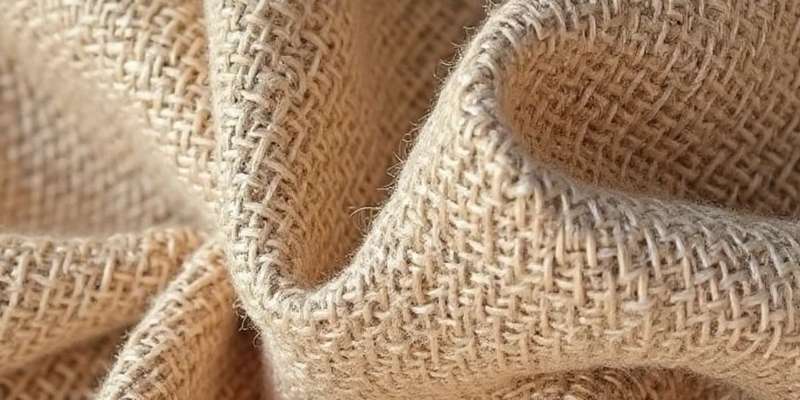
Businesses sourcing osnaburg cotton fabric wholesale appreciate its plant-based composition, coarse weave texture, and adaptability across sustainable product lines.
This article explores how rustic cotton fabrics contribute to sustainable manufacturing and why osnaburg continues to gain demand in eco-focused markets.
Why Rustic Cotton Fabrics Support Sustainability
Sustainable textiles must meet key criteria:
• Natural fiber composition
• Biodegradability
• Long product lifespan
• Minimal environmental impact
As an eco friendly cotton fabric material, osnaburg aligns well with these principles.
Its durability reduces replacement frequency, while its natural cotton base supports biodegradable end-of-life disposal.
1. Natural Fiber Composition
Osnaburg is made from cotton, a renewable agricultural resource.
This natural textured cotton fabric provides:
• Plant-based origin
• Reduced synthetic fiber use
• Lower microplastic pollution
• Improved recyclability
Working with a reliable sustainable cotton osnaburg supplier ensures responsible sourcing and consistent quality.
2. Long-Lasting Durability
Sustainability is not only about material origin—it also depends on product lifespan.
The coarse weave cotton fabric structure offers:
• Enhanced tensile strength
• Strong stitching support
• Reduced tearing
• Reliable structural integrity
Durable products made from rustic cotton fabric material require fewer replacements, lowering environmental impact.
3. Low-Impact Rustic Aesthetic
Consumers increasingly prefer raw, organic design styles. The textured appearance of osnaburg supports:
• Farmhouse décor trends
• Minimalist natural interiors
• Handmade product lines
• Eco-conscious branding
Businesses sourcing osnaburg fabric for home decor wholesale benefit from both sustainability and aesthetic demand.
4. Dye Versatility with Natural Fibers
As a cotton-based textile, osnaburg absorbs dyes effectively.
A trusted dyed osnaburg fabric supplier provides:
• Consistent color finishing
• Long-lasting shade retention
• Reduced chemical reprocessing
• Uniform dye lots for bulk orders
This improves efficiency in large-scale sustainable production.
5. Ideal for Eco-Friendly Product Lines
Osnaburg supports multiple sustainable applications:
• Reusable shopping bags
• Decorative home textiles
• Cushion covers
• Craft projects
• Event décor materials
Sourcing rustic cotton fabric for crafts bulk allows manufacturers to create environmentally responsible product ranges.
6. Reduced Synthetic Dependency
Unlike polyester or synthetic blends, osnaburg relies primarily on cotton fibers.
As an eco friendly cotton fabric material, it helps brands:
• Reduce petroleum-based inputs
• Avoid microplastic shedding
• Improve environmental branding
• Align with green certifications
Companies working with textured cotton cloth wholesale suppliers can scale eco-friendly production efficiently.
7. Cost Efficiency for Sustainable Manufacturing
Sustainable production must also remain financially viable.
Purchasing osnaburg cotton fabric wholesale provides:
• Competitive bulk pricing
• Stable supply chains
• Consistent weave structure
• Uniform GSM control
This makes it easier for businesses to offer affordable sustainable products.
8. Craft & Handmade Market Growth
The global rise of handmade and eco-conscious markets increases demand for craft cotton fabric wholesale.
Osnaburg works well for:
• Fabric painting
• Screen printing
• Embroidery
• DIY décor
• Natural wrapping materials
Its natural textured cotton fabric surface enhances artisanal appeal.
9. Home Décor with Environmental Responsibility
Interior brands focused on sustainability prefer osnaburg fabric for home decor wholesale because it:
• Complements organic interiors
• Supports biodegradable product lines
• Reduces synthetic textile use
• Offers timeless rustic appeal
This balance of aesthetics and sustainability makes osnaburg unique in the textile sector.
Rustic Cotton vs Synthetic Fabric: Sustainability Comparison
Synthetic Fabric:
• Petroleum-based
• Non-biodegradable
• Microplastic shedding
• Higher environmental persistence
Cotton Dyed Osnaburg:
• Natural fiber origin
• Biodegradable
• Renewable resource
• Durable long-term usage
Choosing a trusted sustainable cotton osnaburg supplier strengthens eco-friendly brand positioning.
Industries Benefiting from Sustainable Osnaburg
Rustic cotton fabrics support:
• Sustainable home décor brands
• Eco-conscious craft manufacturers
• Event décor companies
• Boutique textile retailers
• Reusable product manufacturers
Sourcing from a professional dyed osnaburg fabric supplier ensures both sustainability and consistency.
Why Rustic Cotton Fabrics Are the Future of Sustainable Textiles
Osnaburg continues to grow in demand because it offers:
• Textural authenticity
• Natural composition
• Functional durability
• Scalable wholesale availability
• Strong eco-friendly positioning
Few materials balance rustic charm and sustainable practicality as effectively as osnaburg.
Conclusion
Rustic cotton fabrics play a significant role in the shift toward environmentally responsible textile manufacturing.
By partnering with a reliable osnaburg cotton fabric wholesale provider, businesses gain:
• Sustainable material sourcing
• Durable coarse weave construction
• Rustic design flexibility
• Cost-effective bulk options
• Long-term product reliability
For brands seeking eco-conscious growth, working with an experienced dyed osnaburg fabric supplier ensures quality, scalability, and sustainability.
When combining rustic aesthetics with environmental responsibility, cotton dyed osnaburg remains a powerful and sustainable textile choice for modern manufacturers.